Over four million people visit Mont Saint-Michel each year, yet most only scratch the surface of what this region truly offers. They come for the abbey at dawn, snap a few photos, and leave before the crowds peak-missing the rhythm of the tides, the flavor of local markets, and the quiet charm of the surrounding marshlands. The real magic isn’t just in seeing the site, but in living nearby, waking up to bird calls, and exploring on your own time. Staying close means you can experience the bay when it’s still, the light just right, and the paths all yours.
Essential landmarks and tours around the Bay
The Mont Saint-Michel abbey remains the heart of any visit-an architectural marvel perched on a rocky island, recognized as a UNESCO World Heritage site. Its Gothic spires rise above a warren of medieval streets that wind through the village, each turn revealing centuries-old stone walls, tiny chapels, and views that shift with the tide. To truly appreciate it, consider a guided tour that dives into the history of the Benedictine monks who shaped its spiritual legacy. These tours often include access to lesser-known spaces like the Refectory or the Cloister, where silence still feels sacred.
But timing is everything. Those who stay at a comfortable campsite near Mont-Saint-Michel can plan visits outside peak hours-arriving early in the morning or lingering past sunset when the crowds thin and the stone glows gold. This kind of flexibility transforms a rushed sightseeing stop into a deeper experience. Nearby, the village of Roz-sur-Couesnon offers a quieter contrast, where life unfolds at a gentler pace, rooted in both Breton and Norman traditions.
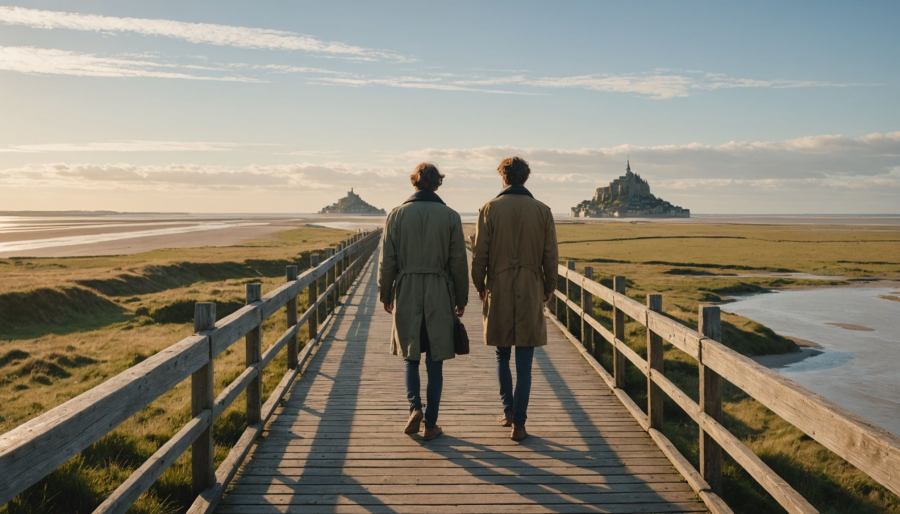
The historical heart: Abbey and medieval streets
Exploring the abbey means navigating its steep, cobbled paths and ascending narrow staircases that tell a story of devotion and endurance. Inside, the "Merveille"-a stunning three-level structure clinging to the rock-hosts the monks’ former dining hall, scriptorium, and guest rooms, each offering a glimpse into monastic life. Down below, La Grand Rue, the main street, buzzes with small shops and crêperies, but just a few steps off the beaten path, you’ll find quiet corners where the sea breeze carries whispers of the past.
| Activity | Best Time to Visit | Key Highlight |
|---|---|---|
| Abbey Tour | Early morning or late afternoon | Soft light enhances stone textures and reduces queues |
| Bay Crossing | Low tide, with a certified guide | Walk on exposed sandflats with panoramic views of the island |
| Village Exploration | Morning or evening | Quiet alleys and local shops before or after tourist influx |
Outdoor adventures and nature excursions
The landscape around Mont Saint-Michel is anything but static. It breathes with the tides, transforming from vast sandbanks to submerged channels twice a day. This dynamic ecosystem supports rare bird species, salt-tolerant plants, and an environment that feels more like a living organism than a backdrop. For visitors seeking connection with nature, the area offers some of the most memorable outdoor adventures in northern France.
Crossing the bay with a professional guide
Walking across the bay is one of the most iconic experiences-but it’s also one that demands respect. The shifting sands and fast-rising tides have claimed lives, which is why independent crossings are no longer allowed. Only certified guides from the local randonneurs-guides association are permitted to lead groups across the causeway and onto the tidal flats. These experts know the safe routes, read the weather and water levels instinctively, and often share stories of the region’s geology and folklore as you walk.
Cycling and hiking through the polders
For a slower pace, cycling is ideal. Flat, well-marked greenways run through the polders-low-lying reclaimed lands surrounded by dikes-offering panoramic views of the Mont without the climb. Families often rent bikes in Pontorson and follow the designated paths that loop around marshes and meadows. Hikers, meanwhile, can explore trails that lead to elevated viewpoints like the Point du Grouin du Sud or Roche Torin, where the full silhouette of the Mont unfolds in dramatic clarity.
- Point du Grouin du Sud - sweeping view of the bay at sunrise
- Roche Torin - historic site with panoramic perspective
- The Polders - vast, tranquil wetlands perfect for birdwatching
- Genêts - a peaceful forested area ideal for shaded walks
- The dams - man-made structures offering unique vantage points
Local flavors and nearby villages to explore
Norman-Breton border culture shines brightest at the table. The region’s gastronomy blends the richness of Norman dairy and cider with the maritime traditions of Brittany. One standout is the famed agneau de pré-salé-lamb that grazes on salt marshes around the bay, its meat subtly flavored by sea herbs. It’s often served simply roasted, letting the natural taste speak for itself.
Gastronomy and traditional markets
Local markets in small towns like Pontorson or Roz-sur-Couesnon are where this culture comes alive. Stalls overflow with ciders, artisanal cheeses, honey from coastal hives, and fresh oysters from nearby Cancale. These aren’t tourist markets-they’re where residents shop, and where travelers who linger beyond the Mont can truly connect with the place. A crêperie tucked down a side street might serve a buckwheat galette with ham and salted butter caramel, a nod to both regions’ culinary pride.
And let’s be honest-no visit is complete without trying a warm, buttery crêpe straight from the griddle. Whether you go sweet or savory, it’s a small pleasure that says more about daily life here than any museum display. These villages aren’t just convenient stops; they’re where the real pulse of the region beats.
- Sample cidre brut-dry apple cider served in a ceramic bowl
- Try kouign-amann-a buttery Breton pastry with caramelized layers
- Visit a working farm that raises pré-salé lamb
- Attend a seasonal festival celebrating oysters or apples
Major Questions
Is it really dangerous to walk in the bay alone without a guide?
Yes, it is extremely dangerous. The bay has unpredictable quicksand, deep mud channels, and tides that can rise faster than a person can run. Only certified guides are authorized to lead crossings, and independent walks are strictly prohibited for safety reasons.
How do the shuttle schedules work during high tide coefficients?
Shuttles operate year-round but adjust frequency based on tide levels and visitor numbers. During very high tides-especially spring tides-the causeway may flood, and access shifts to the elevated pedestrian bridge. Shuttle service continues, but it’s best to check local timetables upon arrival.
Are there specific rules for bringing pets inside the village?
Pets are allowed in the village but must be kept on a leash. They are not permitted inside the abbey or on shuttle buses for safety and hygiene reasons. Some hiking paths and greenways do welcome leashed dogs, making it possible to explore parts of the area with your pet.
